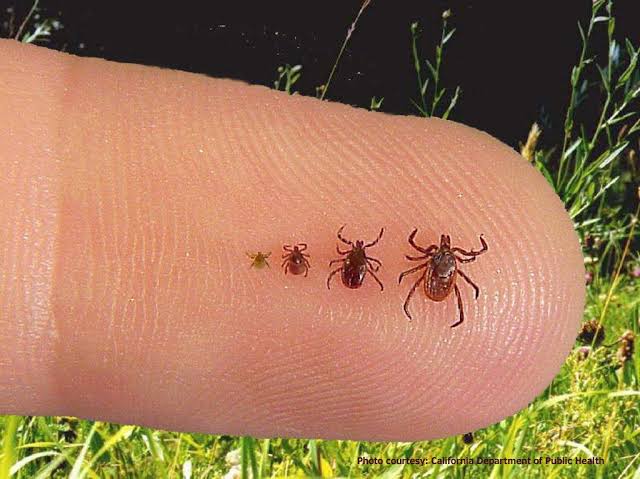
Ticks have become one of the most common warm-weather pest concerns across Wellington County. They're not just a cottage problem anymore — Guelph, Fergus, Elora, and the surrounding rural-edge neighbourhoods all have established tick populations, and the season is getting longer every year.
Here's a practical guide to what's out there, what's actually risky, and what you can do about it.
What Ticks Are Actually in Wellington County
Two species matter most for local homeowners:
American dog tick. Larger, brown with white markings on the back. Common in tall grass, fields, and along trails. Can transmit disease but is less of a concern for Lyme.
Blacklegged tick (deer tick). Smaller, often the size of a sesame seed. The species responsible for transmitting Lyme disease in Ontario. Population has expanded significantly across Wellington in the last decade.
The ticks you really want to know about are blacklegged ticks. They're harder to spot, more common than people think, and the reason tick prevention has gone from "nice to have" to "actually important."
When Tick Season Runs
Ontario tick season generally starts when temperatures stay above about 4°C — meaning ticks can be active from early spring (March/April) through late fall (October/November), with peak activity in late spring and early summer.
That's a longer window than most people assume. If you're spending time in the yard from May to September, you're in tick season.
Where Ticks Live in Your Yard
Ticks don't live on lawns the way fleas do. They prefer:
- Tall grass and weeds, especially along property edges
- Leaf litter under shrubs and trees
- Wood piles, stone walls, and shaded brushy areas
- The transition zone where lawn meets natural vegetation
If your yard backs onto a wooded area, a creek, or unmaintained land, your tick risk goes up.
Protecting Yourself and Your Family
Tick prevention is layered. No single thing solves it, but together these reduce risk significantly:
- Wear long sleeves and tucked-in pants in tall grass or wooded areas
- Use DEET or picaridin-based repellents on exposed skin
- Treat outdoor clothing with permethrin for added protection
- Do a full-body tick check after time outside — focus on hairlines, behind ears, armpits, waistband, and behind knees
- Shower within 2 hours of coming inside — washes off ticks that haven't attached yet
- Tumble-dry outdoor clothing on high heat for 10 minutes to kill any unseen ticks
Protecting Your Pets
Dogs and cats bring ticks into the house. They also get sick from them.
- Use a vet-recommended monthly tick preventative for dogs and outdoor cats
- Check your pet thoroughly after every walk in tall grass or wooded areas
- Watch for lethargy, joint stiffness, or loss of appetite — possible signs of tick-borne illness
- Don't rely on collars alone if your pet is in high-tick areas regularly
How to Reduce Ticks in Your Yard
You can make your property significantly less attractive to ticks:
- Keep grass cut short along property edges and trails
- Clear leaf litter and brush, especially in shaded areas
- Create a 3-foot barrier of wood chips or gravel between lawn and wooded areas
- Move wood piles and bird feeders away from the house — both attract animals that carry ticks
- Schedule a professional tick treatment if your yard is in a high-risk area
Summit's tick treatments target the perimeter and high-risk zones of the property, knocking down active populations and reducing the likelihood of contact during peak season.
What to Do If You Find a Tick
- Use fine-tipped tweezers. Grasp as close to the skin as possible.
- Pull straight up with steady pressure. Don't twist or jerk.
- Clean the bite area with soap and water or rubbing alcohol.
- Save the tick in a sealed bag or container in case testing is needed.
- Watch for symptoms — bullseye rash, fever, fatigue, joint pain — and contact a doctor if anything develops.
Don't use heat, vaseline, or nail polish to "back the tick out" — that increases the risk of transmission.
Frequently Asked Questions
Are tick treatments safe for kids and pets?Yes. Treatments are applied to vegetation and yard perimeters, and dry quickly. Tateum will walk you through any short-term precautions specific to your property.
How long does a yard tick treatment last?Most treatments are effective for 4–6 weeks. For high-risk properties, a seasonal program with multiple applications gives the best protection.
Do I really need professional tick treatment if I check myself?Personal checks are essential, but they're the last line of defence. Reducing tick populations on the property reduces your exposure in the first place.
What's the difference between ticks in Guelph and ticks at the cottage?Less than people think. Blacklegged ticks have spread well into Wellington County, and many local properties now have populations comparable to traditional cottage country.
Don't Spend the Summer Worrying About Ticks
Tick prevention is one of those problems where a little proactive work goes a long way. Whether it's a single yard treatment or a full seasonal plan, getting ahead of the season is much easier than reacting to it.
Summit Pest Control offers tick control across Guelph, Fergus, Elora, and the rest of Wellington County.
Call (226) 780-6446 or request a quick estimate today.