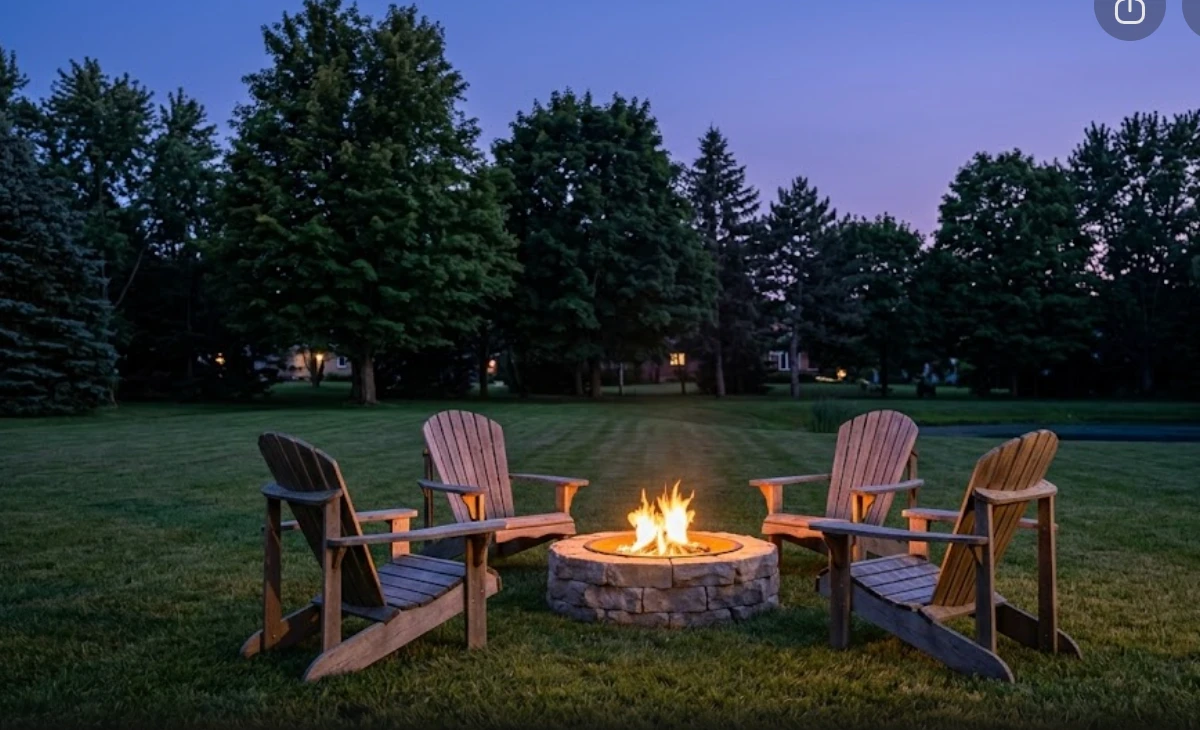
If you live anywhere near the Grand River — which in Fergus is most of us — you know the mosquito problem. Beautiful backyards, perfect summer evenings, and then by 8 p.m. nobody can sit outside.
Here's a practical look at what actually works for backyard mosquito control, what's a waste of money, and what to expect from a real pro.
Why Fergus Has More Mosquitoes Than You Think
Three things drive mosquito pressure here:
- Proximity to the Grand River and its tributaries. Slow-moving water along banks is mosquito breeding habitat, even when your own yard is dry.
- Mature tree cover. Fergus has a lot of older neighbourhoods with big trees, which means more shaded resting areas where mosquitoes hide during the day.
- Standing water everywhere. Plant saucers, gutters, kid pools, tarps, even bottle caps. Mosquitoes need very little water to breed — sometimes a teaspoon is enough.
If your yard is feeling worse than your neighbour's, it's usually because of those last two.
What Actually Works
1. Eliminate standing water.This is the single most effective thing you can do, full stop. Empty:
- Plant saucers
- Birdbaths (refresh every 2–3 days)
- Kid pools and toy buckets
- Wheelbarrows, tarps, and anything else holding water
- Clogged gutters
- Tire swings (drill drainage holes)
A single neglected bucket of water can produce hundreds of mosquitoes a week.
2. Treat the resting areas.This is where professional mosquito control comes in. Adult mosquitoes spend the day resting in shaded vegetation — under leaves, in shrubs, on the underside of deck rails. A targeted barrier treatment kills the adult population in those resting areas, dramatically cutting how many are flying around your yard at dusk.
Most mosquito barrier treatments last 3–4 weeks. For a full Fergus summer, that usually means 3–4 treatments through the season.
3. Address larval breeding sites.For yards with persistent water (rain barrels, decorative ponds, low spots), larval control products are available that kill mosquito larvae without harming fish, birds, or wildlife. These are added to the water and last weeks at a time.
4. Use a fan on the patio.Mosquitoes are weak fliers. A box fan on a patio reduces mosquito landings by 60–70%. Cheap, simple, surprisingly effective for a single sitting area.
What Doesn't Really Work
Citronella candles. Marginal at best. They might shift mosquito behaviour in a small radius, but they don't reduce the population.
Bug zappers. Kill far more beneficial insects than mosquitoes. Studies show mosquitoes make up less than 5% of what zappers actually kill.
Ultrasonic repellents. No reliable evidence they work on mosquitoes.
Eating garlic / vitamin B / dryer sheets / etc. Folk remedies. Not how mosquitoes find you.
Single-spray DIY treatments. Hardware-store yard sprays can knock down a few mosquitoes briefly, but coverage is poor and the effect is short-lived.
What to Expect From a Pro
A typical Summit mosquito treatment in Fergus looks like:
- Walk the property to identify resting areas, breeding sites, and high-pressure zones.
- Apply a targeted treatment to vegetation, shaded areas, and structural surfaces where mosquitoes rest.
- Address any larval breeding sites with appropriate products.
- Schedule the next treatment in 3–4 weeks if you're on a seasonal program.
Most yards see a noticeable reduction within 24–48 hours of the first treatment. Going from "miserable" to "bearable" is normal. Going from "miserable" to "no mosquitoes at all" isn't realistic — you can't fully control mosquitoes flying in from the neighbour's yard or the riverbank — but a 70–80% reduction is what most properties see.
When to Start
Mosquito control works best when you start early. The first treatment should ideally go out in late May or early June, before populations build up. Starting in August helps, but you've already missed the peak.
A typical Fergus summer needs 3–4 treatments to keep populations down.
Frequently Asked Questions
Are mosquito treatments safe for pets and kids?Yes. Treatments are applied to vegetation and dry quickly. Kids and pets can use the yard normally once treated areas are dry — usually within an hour or two.
Do mosquito treatments hurt bees or butterflies?Targeted barrier treatments minimize impact on pollinators by avoiding flowering plants and treating during off-peak pollinator hours. We adjust treatments where needed.
How much does mosquito control in Fergus cost?Most treatments fall in the $200–$400 per visit range, depending on property size. Seasonal programs offer better per-visit pricing.
Can I just put up a bug zapper instead?You can, but it won't help much with mosquitoes. Zappers attract and kill non-target insects far more than they reduce biting populations.
Get Your Backyard Back
The difference between a backyard you avoid and one you actually use comes down to a few hours of work — yours and ours. Summit Pest Control handles mosquito treatments across Fergus, Elora, Guelph, and surrounding areas.
Call (226) 780-6446 or request a quick estimate today.