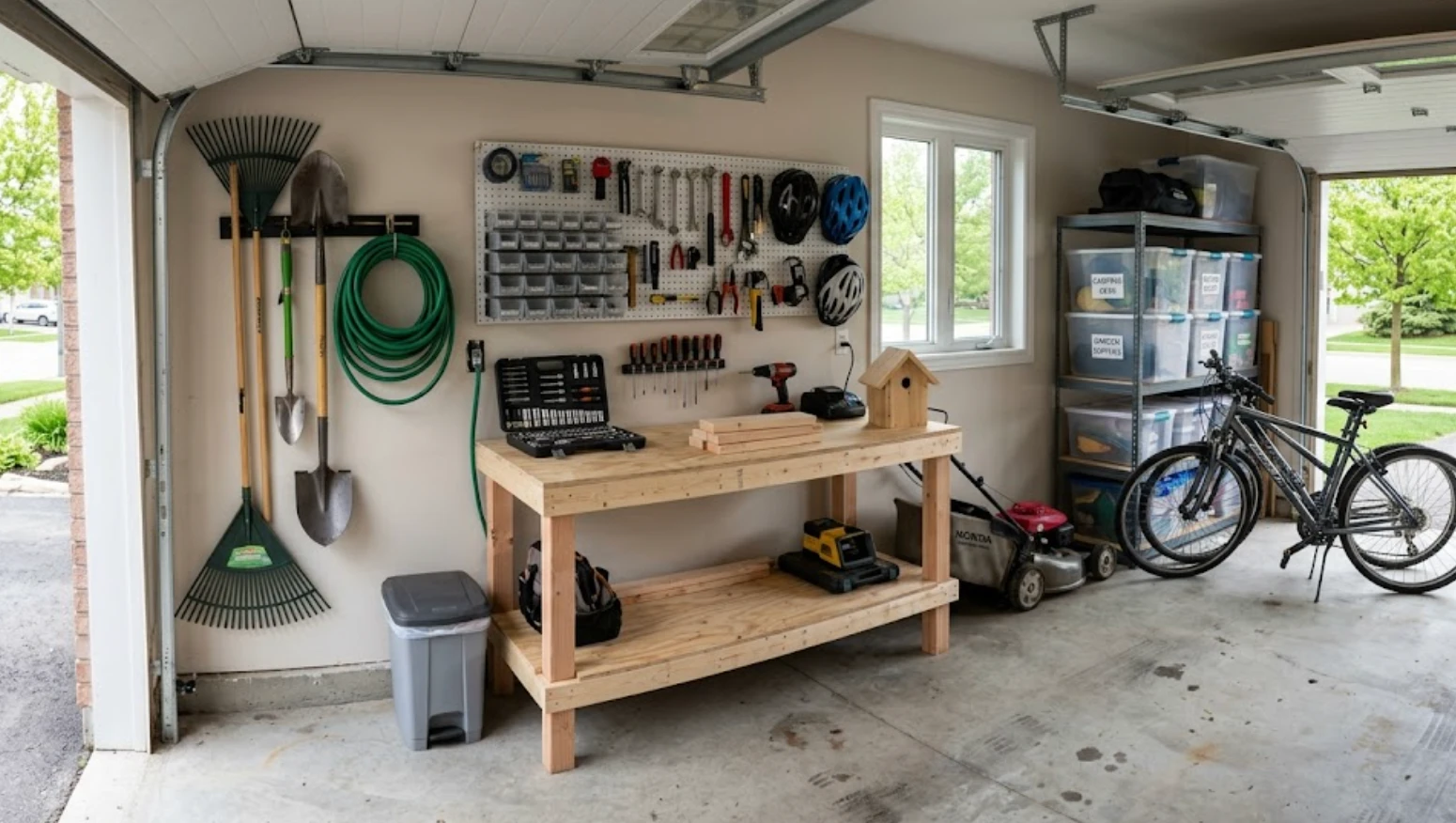
Garages are pest magnets. They're often less tightly sealed than the rest of the house, they have multiple entry points (the main garage door, the side door, ceiling vents, soffit gaps), they often contain bird seed, pet food, or trash, and they connect directly to the living space through an interior door.
In other words, a garage is exactly the kind of space pests choose first — and often the path they use to get into the actual house.
Here's a practical breakdown of the most common garage pest issues in Guelph and how to handle each.
Mice in the Garage
The single most common garage pest issue.
Why they're there:
- Gaps around the garage door, especially the corners where weatherstripping fails
- Bird seed, pet food, or grass seed stored unsealed
- Garbage cans without tight lids
- Cluttered storage providing nesting opportunities
- Direct connection to outdoor mouse habitat
What to look for:
- Droppings along walls, in corners, on shelves
- Chewed packaging on stored items
- Nests in boxes, cushions, kayak/bike seats, lawnmower air filters
- Greasy rub marks along baseboards
What to do:
- Seal the corners under the garage door (the most common entry point)
- Store all bird seed, pet food, and grass seed in sealed metal or hard plastic containers
- Declutter — fewer hiding spots means easier monitoring
- Set traps in active areas
- For persistent problems, professional sealing of soffits, vents, and utility entries
Why this matters: Mice in the garage often become mice in the house. The interior door isn't a real barrier.
Wasps in the Garage
A common late-spring through summer issue.
Why they're there:
- Open garage doors during day for ventilation
- Empty corners in rafters and ceilings for nest-building
- Light fixtures and ceiling fans that attract wasps
- Stored items that haven't moved in a while
What to look for:
- Paper wasp nests in upper corners, on rafters, in light fixtures
- Mud dauber tubes on walls and ceilings (these are usually a sign of beneficial wasps that eat spiders — leave them alone if they're not in your way)
- Wasps flying in and out of the same area repeatedly
What to do:
- Inspect upper corners and ceilings periodically — catch nests when small
- Treat early-season nests when they're small (golf-ball-sized or smaller)
- Keep garage doors closed when possible during peak wasp pressure
- For persistent nests in inaccessible areas, professional treatment
Spiders in the Garage
Almost universal — spiders love garages.
Why they're there:
- Plenty of insects entering through the garage door
- Quiet corners for web-building
- Storage clutter providing hiding spots
- Outdoor lights attracting flying insects that spiders prey on
What to do:
- Sweep cobwebs regularly (this alone reduces population significantly)
- Reduce harbourage by organizing storage off the floor
- Manage exterior lighting that attracts prey insects
- Most spider populations don't require treatment unless counts are unreasonable
Ants in the Garage
Less common than mice and wasps, but worth knowing.
Why they're there:
- Spilled pet food or bird seed
- Sugary spills in soda cans, beer bottles
- Open trash
- Moisture from snow tracking in, leaks, or condensation
What to do:
- Address obvious food sources
- Treat trails with appropriate bait (not surface spray)
- For carpenter ants (larger, black, often near moisture-damaged wood), professional inspection
Cluster Flies and Stink Bugs
Late summer through fall.
Why they're there:
- Garages provide sheltered overwintering spots
- Sunny garage doors and walls attract them
- Gaps around garage doors and windows give them access
What to do:
- Late-summer perimeter treatment reduces overwintering populations
- Seal the gaps around windows and doors before fall
- Manage exterior lighting
Snakes
Less common but possible, especially in detached garages near fields or open spaces.
Why they're there:
- Rodent populations attract snakes (snakes follow prey)
- Garages provide cool shelter
- Gaps in foundations or under doors offer entry
What to do:
- Address the rodent problem first (the snake will leave when food disappears)
- Seal foundation gaps and improve weatherstripping
- Most Ontario snakes are harmless, but professional removal is reasonable if you're uncomfortable
Carpenter Ants in Wood Garage Structures
A specific concern for older garages with wood framing.
Why they're there:
- Damp wood (moisture leaks, condensation, ground contact)
- Stored wood (firewood, scrap lumber) inside or against the garage
- Direct connection to outdoor carpenter ant populations
What to do:
- Address moisture issues
- Move firewood away from the garage (at least 20 feet, ideally raised off the ground)
- For active colonies, professional carpenter ant treatment
The Garage-to-House Connection
The most important thing to remember about garage pests: they're a stepping stone to the house.
The interior garage-to-house door isn't a real barrier. Weatherstripping wears out, gaps develop, and the connection to interior wall voids allows pests to move through. Mouse activity in the garage almost always leads to mouse activity in the house if the source isn't addressed.
For homes with attached garages, sealing the garage-to-house transition is one of the highest-impact things you can do for pest exclusion.
What Summit Does for Garage Pest Issues
For a typical garage-focused inspection in Guelph, Tateum's approach includes:
- Walking the garage perimeter to identify entry points
- Inspecting storage areas for activity and harbourage
- Checking the garage-to-house transition for gaps
- Identifying conducive conditions — stored seed, garbage, clutter
- Targeted treatment as appropriate
- Sealing recommendations for high-impact gaps
Garage-focused services are often bundled into broader perimeter exclusion work for the house.
Frequently Asked Questions
Do I need a separate pest control plan for my detached garage?Usually not — most plans include the garage as part of the property. Detached garages with severe issues sometimes warrant focused attention.
Should I worry about wasps in mud-dauber tubes in my garage?Mud daubers are generally beneficial — they eat spiders and rarely sting. Unless they're in a high-traffic area, they can be left alone.
How do I keep mice out of my parked car?Park in a clean garage, don't leave food in the car, periodically check under the hood and in the cabin air filter compartment for nests. Some homeowners use peppermint-oil deterrents with mixed results.
Why are there so many spiders in my garage?Because there are lots of insects entering through the door, and spiders follow prey. Reducing insects (managing lighting, sealing gaps) reduces spiders over time.
Don't Let the Garage Be the Weak Link
A pest-free house with a pest-filled garage is a pest-filled house in waiting. The garage gets attention as part of any serious pest management plan.
Summit Pest Control offers garage and full-property pest assessments across Guelph and surrounding areas.
Call (226) 780-6446 or request a quick estimate today.