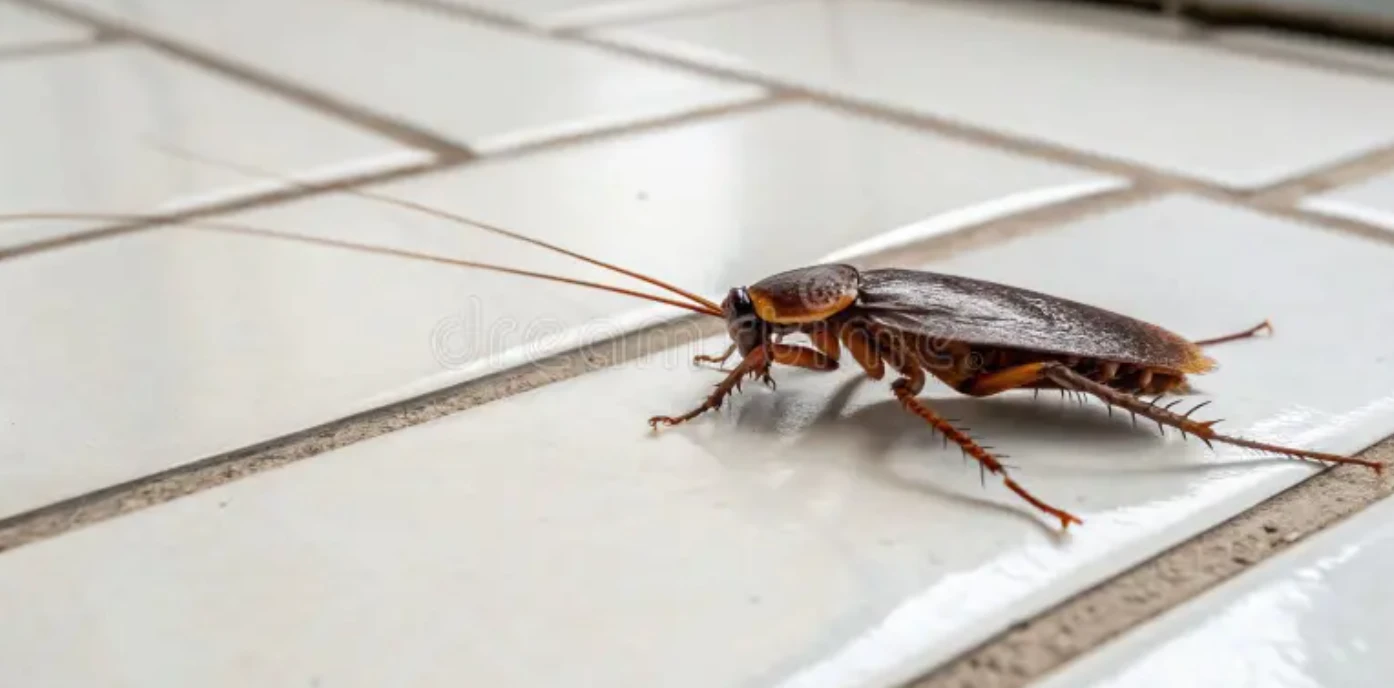
Spotting a cockroach in a Kitchener-Waterloo kitchen tends to trigger one of two reactions: disgust, then disbelief. "Cockroaches? Here? In my place?"
Yes. Cockroaches show up in KW more often than most people realize, especially in apartments, student housing, restaurant-adjacent buildings, and older homes. And they're one of the few pests where the speed of your response really matters.
Here's how to identify what you have and the right first steps before the problem spreads.
Which Cockroach Are You Actually Seeing?
Three species account for almost all residential cockroach problems in KW.
German cockroach. Small (12–15mm), light brown with two dark stripes on the back. The most common indoor species and the hardest to eliminate. Reproduces fast, hides in tiny cracks, and a small infestation can become a big one in weeks.
Oriental cockroach. Larger (25mm), dark brown to black, glossy. Prefers cool, damp areas — basements, crawl spaces, drains. Slower-moving and somewhat easier to manage than German.
American cockroach. Big (35–40mm), reddish-brown. Less common in KW residences; more often found in commercial buildings, sewers, and large utility spaces.
If you see a small, fast, light-brown cockroach in your kitchen or bathroom, that's almost certainly German cockroach — and it's the one that requires the most immediate action.
Why German Cockroaches Spread So Fast
A single female German cockroach can produce 200–300 offspring in her lifetime. The egg case stays attached to the female until just before hatching, which protects the eggs from sprays. By the time you're seeing a few cockroaches in the open, there are typically dozens or hundreds hidden behind appliances, in wall voids, and inside cabinet cracks.
That's why German cockroach problems can go from "I saw one yesterday" to a full infestation in a matter of weeks.
Why Speed Matters
A few practical reasons fast action matters with cockroaches:
- They multiply quickly. Every week you wait, the population doubles or more.
- They spread between units. In apartments and shared buildings, cockroaches travel through walls, pipes, and electrical conduits to neighbouring units.
- They contaminate food and surfaces. Cockroaches carry pathogens, and their droppings, shed skins, and dander trigger allergies and asthma in many people.
- DIY rarely solves it. Over-the-counter sprays kill visible cockroaches but don't reach the hidden population.
The Right First Steps
If you've seen a cockroach in your KW home, do this within 24–48 hours:
1. Confirm the species. Take a photo if possible. The treatment plan depends on what you have.
2. Set out a few sticky traps. Standard glue boards placed under sinks, behind the fridge, beside the stove, and in any cabinet near food. This gives you a baseline of activity within a few days.
3. Clean aggressively. Cockroaches need food, water, and harbourage. Wipe down all surfaces, take out garbage, fix any drips, store dry goods in sealed containers, and run the dishwasher and clear it out.
4. Don't spray. Hardware-store cockroach sprays often make the problem harder. They kill visible cockroaches but can cause hidden populations to spread further into the building.
5. Call a pro. German cockroach problems almost always require professional treatment — usually a combination of targeted gel baits, growth regulators, and follow-up visits.
If You're in an Apartment
Cockroaches in a KW apartment are usually a multi-unit issue, even if you've only seen them in your unit. Steps to take:
- Notify your landlord in writing. In Ontario, landlords are responsible for pest control in most rental situations.
- Ask whether neighbouring units are being treated. Treating one unit alone usually doesn't work.
- Document what you've seen — photos, dates, locations.
- Don't try to move infested items between rooms or to other buildings — cockroaches and their egg cases hitchhike easily.
How Summit Handles Cockroaches in KW
Tateum's approach to a cockroach problem in KW:
- Inspection and ID. Confirm the species and survey the activity.
- Targeted gel bait placement. Modern cockroach baits exploit social feeding behaviour — workers carry the bait through the population.
- Growth regulator application. Disrupts the cockroach life cycle so even surviving individuals can't reproduce.
- Follow-up visits. Usually 2–3 visits over 4–6 weeks to confirm full elimination.
- Source identification. Where applicable, identifying how cockroaches entered (delivery boxes, used appliances, shared walls).
Most residential cockroach problems are resolved within 4–8 weeks when treated properly.
Frequently Asked Questions
How do cockroaches get into a clean KW apartment?Most often through delivery boxes, used appliances or furniture, second-hand electronics, or from neighbouring units in shared buildings. Cleanliness affects population growth but doesn't determine whether cockroaches show up in the first place.
Are cockroach treatments safe with kids and pets?Yes. Modern gel baits are placed in cracks and crevices where pets and kids can't access them. We'll walk through all precautions.
Can I just bomb the apartment with foggers?Strongly recommend against it. Foggers don't penetrate cockroach hiding spots and can actually spread the population further into walls and adjacent units.
How long does it take to get rid of cockroaches?Most residential cockroach problems require 4–8 weeks of treatment and follow-up to fully resolve. Severe cases can take longer.
Don't Let a Few Become a Hundred
Cockroaches are one of the only pests where one week of delay can double the problem. If you've seen one, act on it now.
Summit Pest Control offers professional cockroach treatment across Kitchener-Waterloo, Cambridge, Guelph, and surrounding areas.
Call (226) 780-6446 or request a quick estimate today.