Getting stung by a wasp is unpleasant. For most people, it's a few minutes of pain, a day or two of swelling, and nothing more. For others — including people who've never had a reaction before — it can be a medical emergency.
Here's how to treat a wasp sting properly, how to know when it's more serious, and what to do next.
Immediate First Aid
Standard care for a wasp sting, in order:
1. Move away from the area. Wasps release alarm pheromones when they sting, and other wasps in the area may come to defend the colony. Get 30+ feet away and indoors if possible.
2. Wash the area. Soap and water. This removes any venom on the skin surface and reduces infection risk.
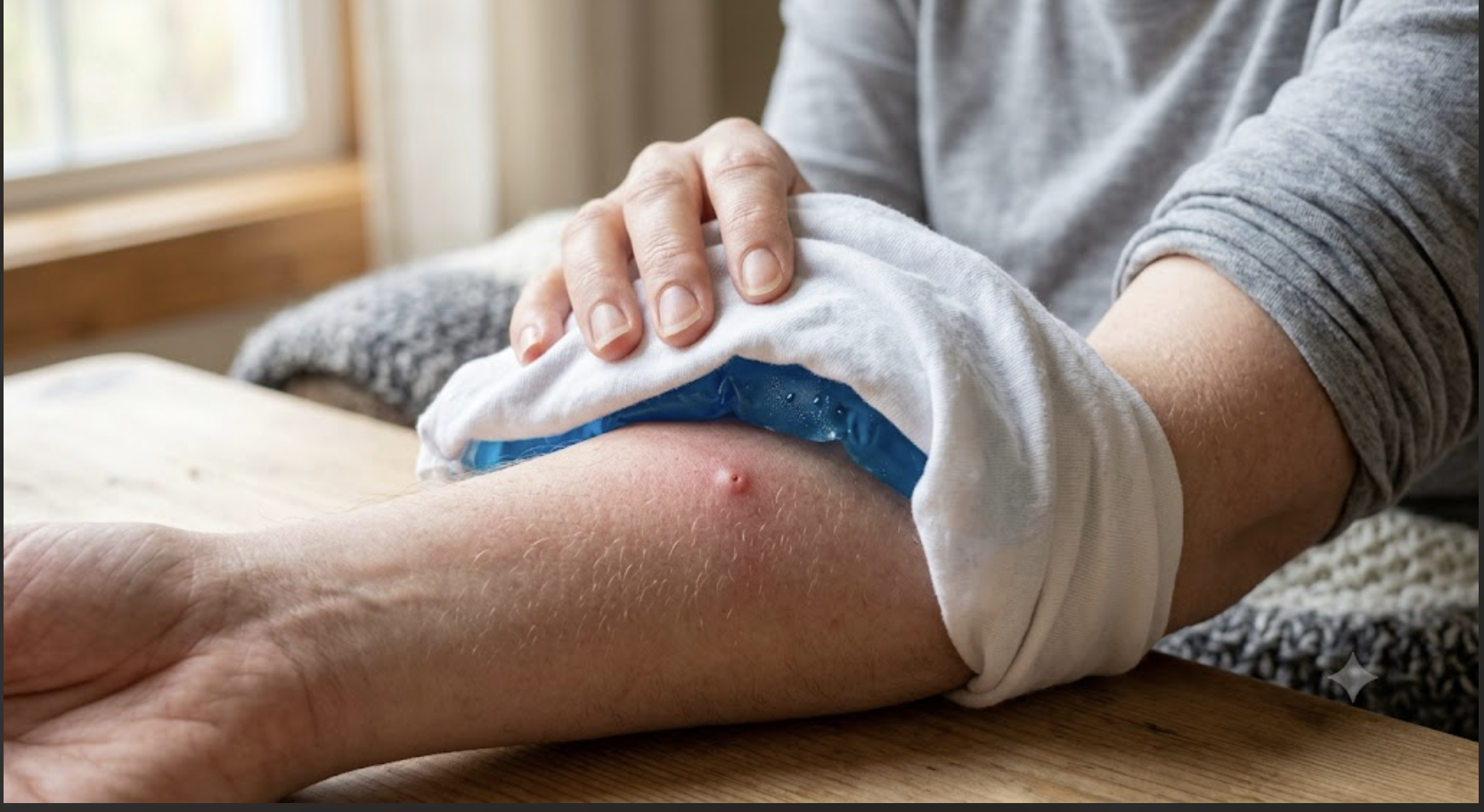
3. Apply a cold compress. 10–15 minutes at a time. Reduces swelling and pain significantly.
4. Take an over-the-counter antihistamine. Products like diphenhydramine (Benadryl) reduce the itching and swelling response.
5. Take an OTC pain reliever if needed. Acetaminophen or ibuprofen for pain.
6. Watch for warning signs. Most stings are just painful. Some become emergencies.
Normal Sting Symptoms
For most people, a wasp sting causes:
- Sharp, intense pain at the sting site
- Swelling within 30 minutes
- Redness and warmth around the sting
- Itching for 1–3 days
- Full resolution within 5–7 days
These are all normal. Cold compresses and antihistamines usually manage the whole cycle.
Larger Local Reactions
Some people develop larger local reactions:
- Swelling that expands beyond the sting site (sometimes covering a whole arm or leg)
- Redness spreading up to 10cm from the sting
- Longer duration of swelling (5–10 days)
Uncomfortable but usually not dangerous. Antihistamines and cold compresses help. See a doctor if the swelling doesn't peak within 48 hours or if it's spreading rapidly.
Warning Signs of a Serious Reaction — Call 911
Anaphylaxis (severe allergic reaction) can develop within minutes of a sting and is a medical emergency. Signs:
- Difficulty breathing or wheezing
- Swelling of the face, lips, tongue, or throat
- Hives or rash spreading across the body (not just at the sting site)
- Rapid heartbeat
- Dizziness, confusion, or fainting
- Nausea, vomiting, or diarrhea
- A sudden feeling of impending doom
Any of these = call 911 immediately. If the person has an EpiPen or Auvi-Q, use it right away. Anaphylaxis can escalate quickly and become fatal without treatment.
Special Situations
Multiple stings. Even without allergy, 10+ stings can cause a toxic reaction with symptoms similar to anaphylaxis. Seek medical attention for any large multi-sting event.
Stings to the face, mouth, or throat. These can cause dangerous swelling that blocks the airway. See a doctor promptly, even without other symptoms.
Stings in children. Kids react more strongly than adults on average, and can't always communicate early warning signs. Watch closely and don't hesitate to go to an emergency department if anything seems off.
Stings in seniors. Age can affect the severity of reactions and the resilience to complications. When in doubt, seek medical attention.
Pregnancy. Wasp stings don't typically harm the pregnancy directly, but any severe reaction warrants immediate medical attention.
If You've Been Stung Before, Consider Testing
If you've had a strong local reaction (large swelling, prolonged symptoms), your risk of a more serious reaction next time is elevated. An allergist can perform testing and, if needed, prescribe an EpiPen and start immunotherapy that dramatically reduces future risk.
Anyone with a family member who has severe wasp allergies should also talk to their doctor about testing.
What Not to Do
A few common mistakes:
- Don't try to remove a stinger with tweezers. Wasps don't leave stingers behind (bees do). If you see a stinger, it was a bee.
- Don't apply heat. Cold reduces swelling; heat makes it worse.
- Don't ignore symptoms progressing. Reactions can escalate over 30–60 minutes.
- Don't self-treat serious symptoms. Difficulty breathing, facial swelling, or hives across the body all need emergency care.
Preventing the Next Sting
Once you know a nest is on your property, dealing with it is the highest-impact prevention. Beyond that:
- Cover food and drinks outdoors
- Rinse recyclables before binning
- Keep garbage bins closed and away from outdoor seating
- Avoid wearing bright colours or floral perfumes in known wasp areas
- Move calmly if a wasp is near you — swatting increases attack risk
- Address active nests near living areas immediately
How Summit Reduces Sting Risk on Your Property
If wasps are a regular problem, ongoing sting risk can be dramatically reduced through professional intervention:
- Active nest removal
- Perimeter treatments during peak season
- Identifying and sealing structural gaps that attract new colonies
- Seasonal service plans for high-pressure properties
Most Guelph homes with recurring wasp issues can be brought under control with a single well-timed intervention plus preventative follow-up.
Frequently Asked Questions
How long does wasp sting pain last?Sharp pain typically peaks within the first hour and fades over 4–6 hours. Residual soreness can last 1–3 days.
Should I go to the ER for a single wasp sting?No, unless there are warning signs of severe reaction (breathing issues, facial swelling, hives). Standard stings can be managed at home.
Do home remedies like baking soda or vinegar work?Marginal at best. Cold compresses and antihistamines are more effective. Home remedies don't hurt but they don't help much either.
How long am I contagious for allergies to future stings?You're not contagious — but if you've had a bad reaction, your risk for a worse reaction next time is higher. Talk to an allergist.
Sting Prevention Starts With Nest Prevention
The best way to avoid wasp stings is to avoid wasp nests near your living areas. Summit Pest Control handles professional wasp removal and prevention across Guelph and surrounding areas.
Call (226) 780-6446 or request a quick estimate today.