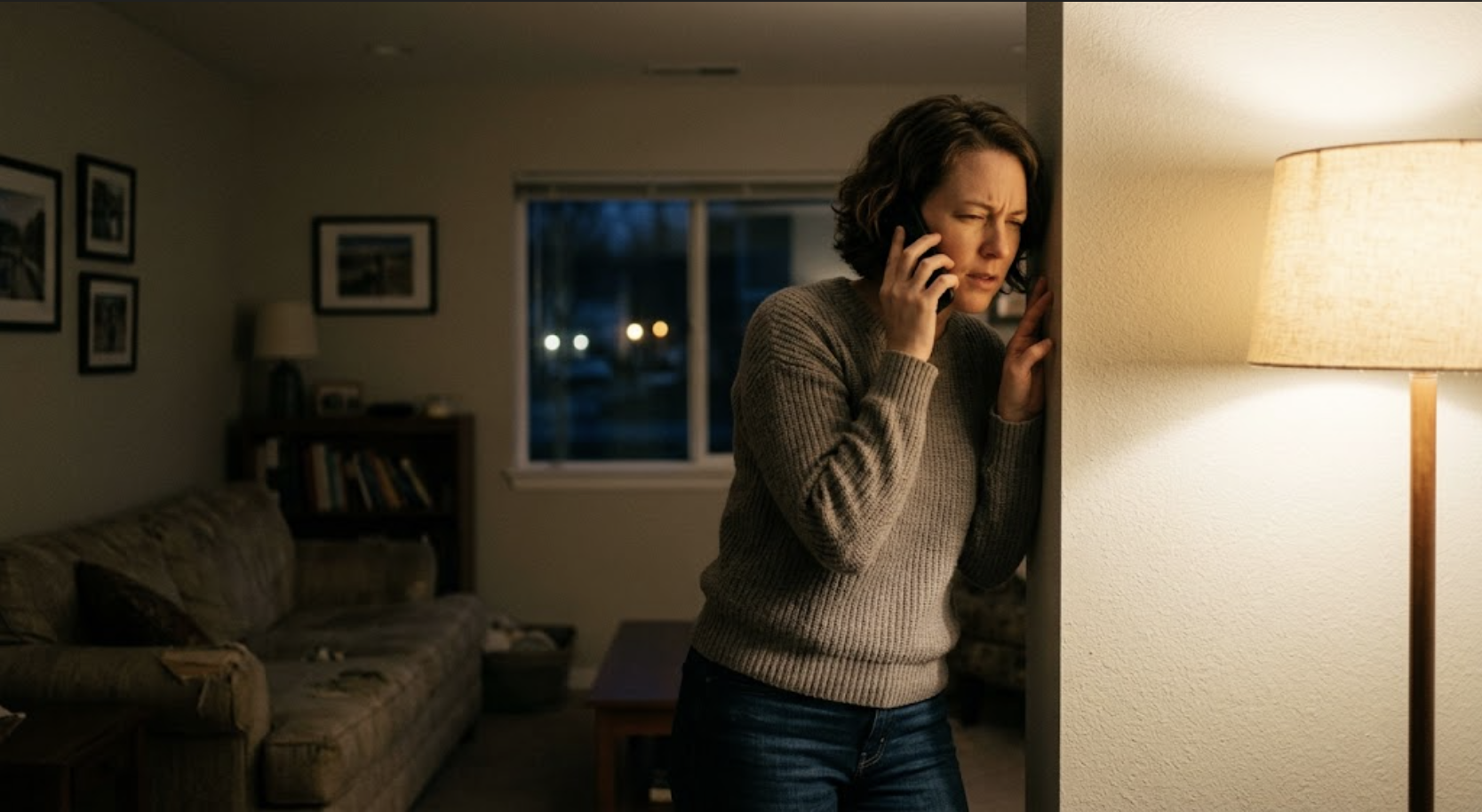
Every fall, the calls start the same way: "There's something in the wall. I haven't seen anything, but I can hear it." And here's the useful truth — the sound alone, heard carefully, identifies the animal with surprising accuracy. What it sounds like, when it happens, and how it moves through the structure are a fingerprint.
Here's the listening guide. Grab the three questions first, then match the profile.
The Three Questions
When? Note the clock. Nocturnal (full dark, especially just after lights-out and pre-dawn) points one direction; daytime (dawn, morning, late afternoon) points another; dusk specifically points a third.What character? Scratching, gnawing, running, thumping, rolling, fluttering, buzzing, chittering, or a steady rustle — each belongs to different animals.Where and how does it move? One fixed spot vs. travelling sounds; wall voids vs. ceiling/attic; fast darting vs. slow heavy movement.
The Profiles
Mice. Light, fast scratching and faint scurrying, almost always at night, in walls, ceilings, and under floors. Gnawing is a soft, persistent scrape. Movement is quick and darting, often along the same routes nightly. If it sounds delicate and it's 1am — mice. Late summer and fall onset fits the seasonal move-in covered across our rodent guides.
Rats. The same night shift as mice but heavier — you hear weight. Distinct footfalls rather than a patter, louder and slower gnawing, sometimes a dragging sound (rats move objects; mice rarely do). Often lower in the structure: basements, wall bases, under floors. Heavy nighttime sounds low in the house are a rat flag, and worth fast action.
Squirrels. The day shift. Loud running the length of the attic, heavy thumps, rolling sounds (cached nuts — genuinely), and vigorous gnawing, concentrated at dawn and late afternoon, quiet at night. Almost always ceiling/attic rather than wall voids. Yesterday's post covers the full response.
Raccoons. The heavyweight. Slow, heavy movement — an animal you can track walking across the ceiling — plus distinctive vocalizations: chittering, purring, and (with young, in spring) crying that's frequently mistaken for a baby or kittens. Mostly nocturnal, attic-based. Raccoons also rip rather than gnaw — sudden tearing sounds are a raccoon signature. This is licensed wildlife work; we'll route you.
Bats. The dusk signature. Soft rustling and high chittering concentrated in the 20–30 minutes around sunset (the pre-flight stir) and again pre-dawn, usually high in walls or at the attic edge, often at one consistent spot near the exterior. No gnawing, ever — bats can't chew. Light scratching without gnawing at dusk = check our bat guide before anything else, because the rules are different.
Wasps/hornets (wall nest). Not scratching — a low, steady hum or buzz from a fixed spot in the wall, strongest on warm afternoons, sometimes with a faint crackling (larvae). Confirm with the exterior check: a stream of wasps at one entry point. Our wall-nest guide covers why this one has absolute rules about what not to do.
Carpenter ants. The subtle one. A faint, dry rustling — often compared to crinkling cellophane — from a fixed wall section, most audible at night in a silent room. Sometimes a tap on the wall triggers a brief burst of response noise. Paired with sawdust piles or big black ants indoors, it's a colony excavating.
Crickets. You know this one — the chirp. A single fixed-position chirper behind the basement wall or near the furnace is a field cricket dead-ender; our cricket guide covers the triangulation trick.
Birds. Spring-weighted rather than fall: fluttering, wing-beats against surfaces, scratchy shuffling, and cheeping at dawn, typically in vents (bathroom and dryer vents are the classics), chimneys, and soffit cavities. A fluttering vent in fall can also be a trapped bird — which is urgent for the bird.
The Diagnostics That Sharpen It
Keep a 3-day log. Time of day, location, character. The pattern is usually unambiguous by day three.Do the dusk watch. Stand outside at sunset watching the roofline — bats and squirrels reveal their doors.Tap test. A sharp knock: silence-then-resume suggests rodents; an agitated buzz spike suggests wasps; a startled scramble suggests something bigger.Check the floor. Droppings in the attic or basement convert a sound ID into a confirmed ID — our identification guides cover reading them.
The Ones You Shouldn't Wait On
Any of these move to same-week action: heavy sounds (rats, raccoons), buzzing (wall nest — never seal or spray the entry), tearing sounds, crying/vocalizations (young animals present), or a sudden silence after weeks of noise paired with a new smell (an animal may have died in the void — its own unpleasant project).
How Summit Handles Sound Calls
For a "something in the wall" call in Guelph, Tateum's approach:
Your log first — the when/what/where usually narrows it before the visitOn-site confirmation — attic, basement, exterior, and droppings evidenceThe right response — rodent work handled directly; bats, squirrels, and raccoons routed to trusted wildlife specialists with the exclusion side coordinatedThe sealing that follows — whatever made the noise got in somewhere, and that gap outlives the animal
Frequently Asked Questions
Could it just be the house — pipes, expansion, wind? Yes, and it's worth ruling out: heating pipes tick rhythmically with temperature changes, and wind noise tracks weather rather than time of day. Animal sound is irregular, self-directed, and keyed to dawn/dusk/night patterns.
The sound is in one spot and never moves. What does that mean? Fixed-position sound suggests a nest, a wall-void wasp colony, a cricket, or an animal that's trapped. Travelling sound suggests active rodents or wildlife with a routine.
How urgent is scratching, really? Light night scratching (mice) is a this-month problem that gets worse monthly. Heavy, tearing, or buzzing sounds are this-week problems.
Can you identify it from a phone recording? Often, yes — a recording plus your notes on timing is genuinely useful. Send it over.
The House Is Telling You Who's Home
Listen for three nights and you'll usually know. Then respond to the actual animal — the right way, the first time.
Summit Pest Control handles identification and the follow-through across Guelph, Cambridge, KW, and surrounding areas.
Call (226) 780-6446 or request a quick estimate today.