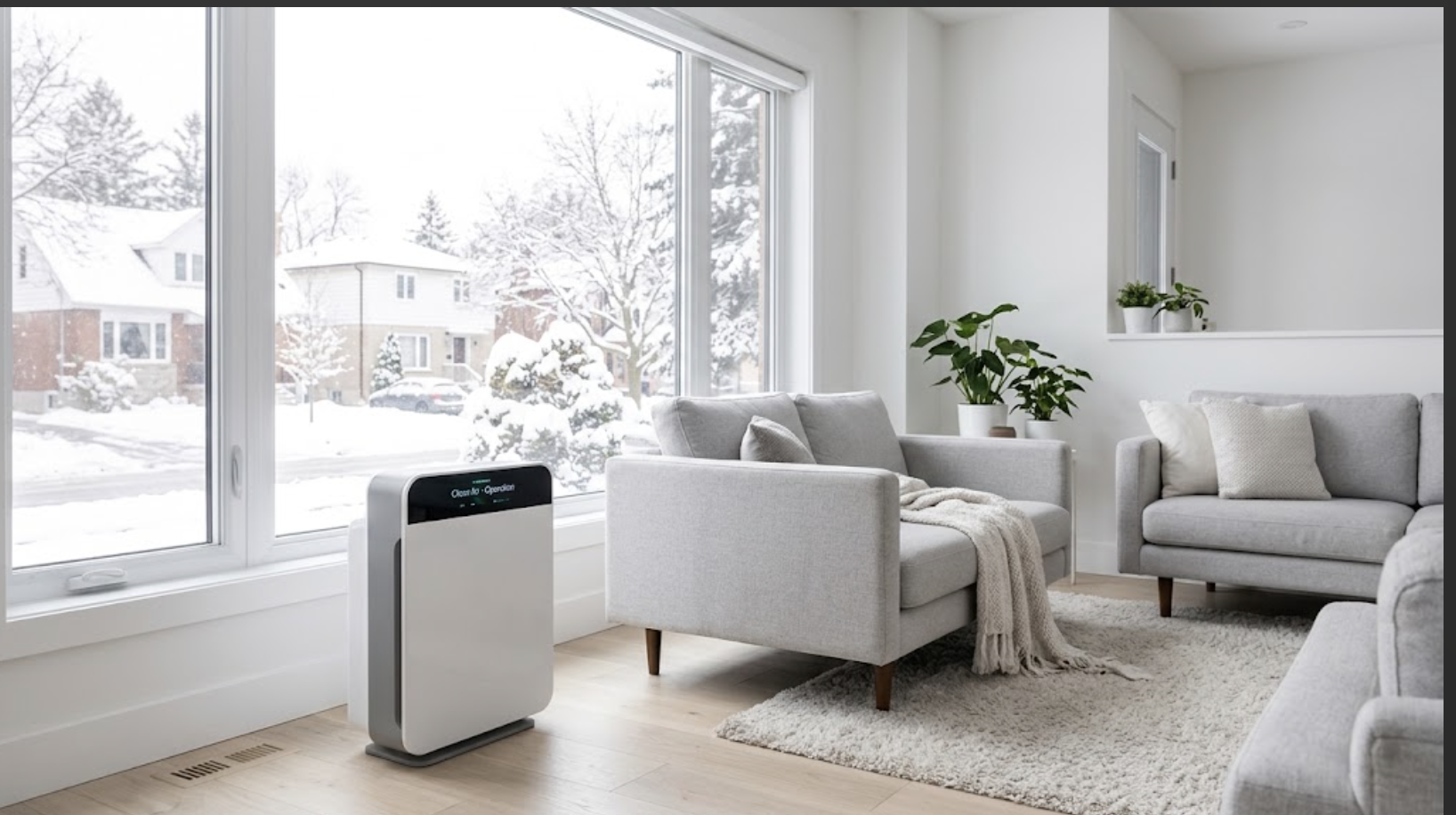
This series has covered the dramatic health angles — hantavirus protocols, wasp anaphylaxis, tick-borne illness. But the pest-health story with the widest everyday reach is quieter: what pests put into your indoor air, and what that does to allergies and asthma through a season when windows stay shut and the furnace recirculates everything.
If someone in your house has winter-long congestion, unexplained allergy symptoms, or asthma that worsens indoors, this post is the missing chapter. Here's the honest science, kept practical.
The Allergen Producers
Cockroaches — the heavyweight. Cockroach allergens (from droppings, shed skins, and body fragments) are among the most potent indoor asthma triggers known — a major, well-documented driver of asthma severity, especially in children and especially in multi-unit housing. The allergen persists in dust long after the insects are controlled, which is why cockroach work done properly includes cleanup, not just kills. If a household has both roach history and stubborn asthma, those facts are probably related.Mice — the underrated one. Mouse urinary proteins are potent airborne allergens, distributed everywhere mice travel — wall voids, ducts (the furnace-post connection), kitchens. Chronic winter rodent presence and chronic winter congestion in the same house is a documented pattern, not coincidence. Add droppings dust and dander, and an active infestation is a continuous allergen source pumping into the same air all winter.Dust mites — the adjacent giant. Not a pest this company treats, but impossible to omit honestly: mites in bedding and carpet are the single biggest indoor allergen for most people, and the humidity control this series pushes for pest reasons (dehumidifiers, fixed leaks) suppresses mites too. One intervention, two wins.The supporting cast. Carpet beetle larval bristles (the rash from that guide, plus airborne fragments), lady beetle aggregations (documented allergen in heavily infested homes — another reason the fall-invader prevention matters), silverfish and cricket fragments in dust, and the mold that moisture pests indicate — itself a respiratory trigger sharing the same damp causes.
Why Winter Concentrates It
Heating season stacks the deck: sealed windows end dilution, forced air redistributes settled allergen every cycle, humidity drops (drying droppings and fragments into finer, more airborne dust), and occupancy hours peak — everyone breathing the same recirculated air for the highest-exposure months of the year. The furnace-post checklist (filter, register check, duct evidence) is where this post and that one meet: the duct system is the distribution network for whatever the pest population produces.
The Response — Pest Control as Air Quality Work
Remove the source. Allergen production stops when the population does — the cockroach and rodent programs from this series are, functionally, air-quality interventions. For allergy-affected households, that reframes the cost-benefit entirely: the treatment isn't competing with a can of spray; it's competing with a winter of medication and symptoms.Remove the reservoir. This is the step DIY skips: allergens persist in the residue. Post-treatment cleanup — HEPA vacuuming of droppings zones, damp-wiping travel routes (the safe-cleanup protocol), laundering affected fabrics hot, and duct cleaning after confirmed duct-system rodent activity — is what actually drops the airborne load. Kill-without-cleanup leaves the trigger in place for months.Filter and dilute. MERV-11+ furnace filters (as high as the system tolerates), changed on schedule through winter; HEPA room purifiers in bedrooms of affected sleepers; and the humidity sweet spot — roughly 40–50% — high enough for comfort, low enough to suppress mites and the moisture cast.Deny the comeback. The exclusion and monitoring layers from this month's project are the maintenance dose: a sealed, monitored house doesn't rebuild the allergen source in February.
The Signals Worth Acting On
Patterns that justify connecting symptoms to pests: allergy or asthma symptoms that worsen at home versus away, winter-long "colds" that track heating season, symptoms concentrated in rooms with pest evidence or history, flare-ups after disturbing storage areas or basements, and any asthmatic child in a building with cockroach or rodent history. None of this is a diagnosis — that's a physician's lane, and allergy testing can specifically identify cockroach and mouse sensitization. What a pest professional contributes is the other half: finding and removing the exposure the test names.
Frequently Asked Questions
Can pest allergens really persist after the pests are gone? Yes — months, in dust and fabric reservoirs, which is why remediation cleaning is part of any health-motivated pest job. The population ends the production; the cleanup ends the exposure.
Is this relevant if nobody in the house has diagnosed allergies? Lower stakes, same direction — chronic allergen exposure is worth avoiding generally, and sensitization can develop with exposure. The prevention side (sealed, dry, monitored) costs the same either way.
Do air purifiers substitute for pest control? No — filtration manages the symptom stream while the source persists. Purifier plus source removal is the pairing that works; purifier alone is bailing with the tap on.
We treated for roaches but the asthma hasn't improved. Why? Ask two questions: was the treatment verified complete (follow-up, monitoring), and was the residue remediated? Untreated reservoirs — and untreated neighbouring units in multi-unit buildings — are the usual answers. Both are fixable.
Breathe the Difference
A sealed, dry, pest-free, cleaned house isn't just quieter — it's measurably easier air for the people who react to what pests leave behind. For allergy households, that's the real product this whole series sells.
Summit Pest Control provides health-focused pest programs and remediation-minded service across Guelph, Cambridge, KW, and surrounding areas.
Call (226) 780-6446 or request a quick estimate today.