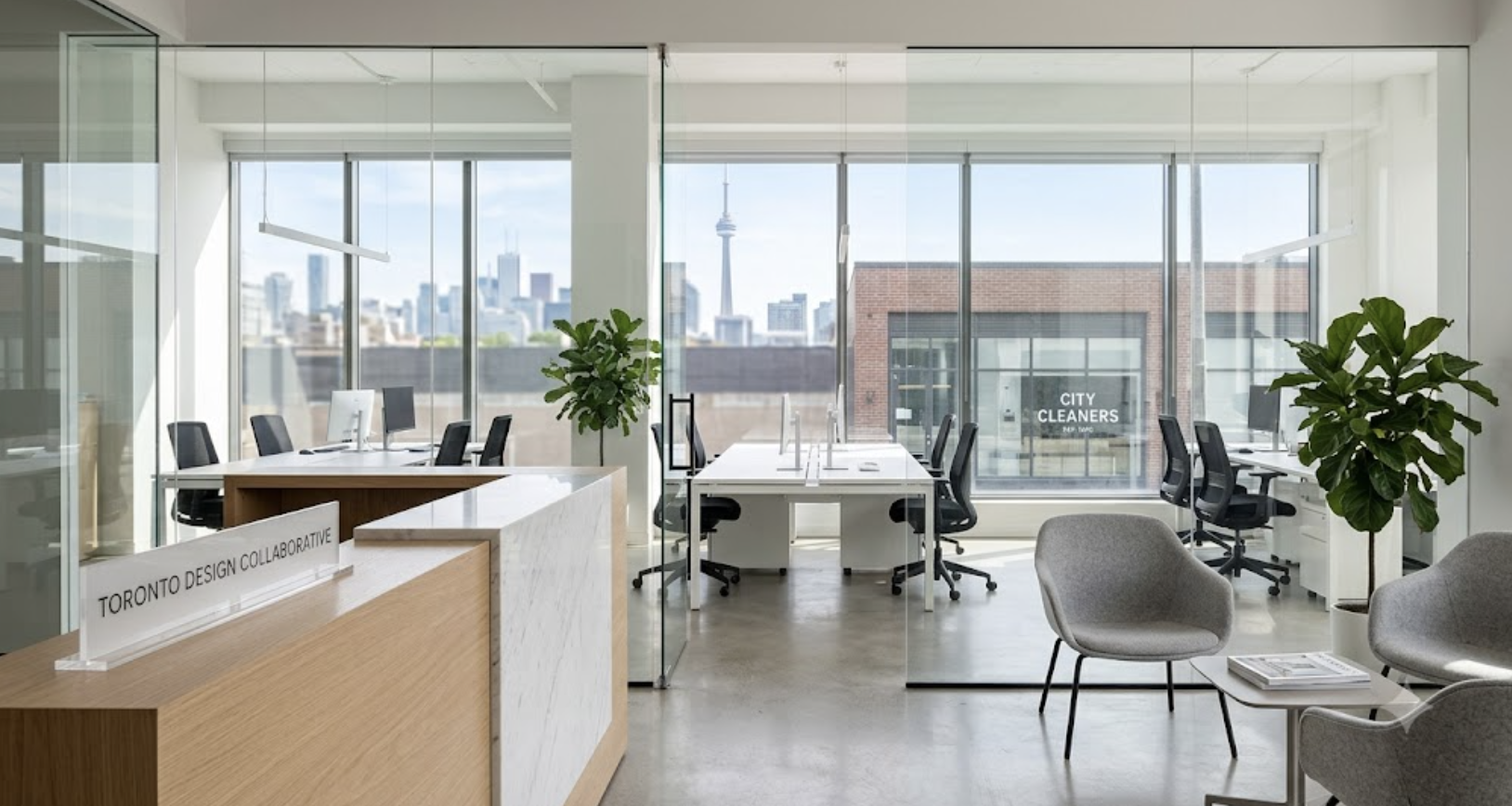
Commercial pest control conversations usually start and end with restaurants. Fair enough — food service has the highest stakes. But offices, retail stores, showrooms, and professional spaces in Guelph deal with plenty of pest pressure of their own, and the costs of ignoring it are real: a mouse crossing the sales floor mid-transaction, a customer spotting cockroach evidence in a fitting room, an employee finding droppings in the break room and telling everyone.
Here's what pest pressure actually looks like in non-food commercial spaces, and what proper service involves.
Where Office and Retail Pest Pressure Comes From
Non-food businesses assume they're low-risk because they don't cook. The pressure comes from other directions:
The break room and kitchenette. Every office has one, and it's a small restaurant nobody manages — open snacks in desk drawers, dishes in the sink, garbage with food residue, a fridge cleaned out twice a year.Deliveries and stock. Every incoming box is a potential pest introduction. Cardboard storage in back rooms is prime cockroach and rodent harbourage.Shared walls and plazas. Most Guelph retail sits in plazas and mixed-use buildings. Your pest pressure includes your neighbours' — the restaurant three doors down, the vacant unit next door.Foot traffic and doors. Doors that open hundreds of times a day, loading doors left open during deliveries, worn door sweeps.Landscaping and dumpsters. Foundation plantings, mulch beds, and shared dumpster enclosures all support rodent and insect populations metres from your door.Low overnight activity. Empty, quiet, dark buildings from 6pm to 8am are ideal foraging conditions.
The Pests That Matter Most
Mice. The number one commercial pest in Guelph offices and retail. They follow the perimeter, exploit loading dock and utility gaps, and announce themselves with droppings along baseboards and in stock rooms.
Cockroaches. Mostly an issue in plaza settings with food-service neighbours, or introduced via deliveries. Break rooms sustain them.
Ants. Seasonal trails into kitchenettes and entrances.
Stored product pests. For retail that stocks anything grain-based, pet-related, or organic — moths and beetles in inventory.
Flies. Fruit flies from break room bins; drain flies from floor drains in older units.
Fall invaders. Lady beetles, boxelder bugs, and cluster flies on sunny storefronts — a genuine image problem when the front window fills with dead beetles.
Wasps. Entrance-adjacent nests are a customer and liability issue every summer.
What Proper Commercial Service Looks Like
For an office or retail space in Guelph, a real program includes:
Initial inspection — sales floor, back rooms, break areas, loading and receiving, utility rooms, exterior perimeter, and dumpster areaMonitoring — rodent stations along the perimeter and interior pressure points, insect monitors where relevantScheduled visits — monthly for most retail; quarterly can work for low-pressure officesDiscreet timing and equipment — service around business hours, stations that don't announce themselves to customersDocumentation — service records for management, landlords, and head officeExclusion recommendations — door sweeps, loading dock seals, utility gapsFast response for sightings — because in retail, a sighting during business hours is an emergency in a way it isn't at home
The Landlord Question
Plaza and multi-tenant leases split pest responsibility in different ways. Before signing or renewing, know:
Who covers common areas, exterior, and dumpster enclosures (usually the landlord)Who covers in-unit pest control (usually the tenant)Whether building-wide issues (rodents in shared walls, roaches from a neighbouring unit) trigger landlord obligations
When a problem clearly originates elsewhere in the building, documentation from your pest provider is what turns a finger-pointing exercise into a resolved issue.
The Staff Side
The daily habits that keep a commercial space tight cost nothing:
Break room dishes done daily, fridge purged weekly, bins emptied nightly with lids onSnacks in sealed containers, not desk drawersCardboard broken down and removed promptly — not stockpiledLoading doors closed when not actively receivingSightings reported to one designated person, same day
Staff are the monitoring system between professional visits.
How Summit Handles Office and Retail Clients
Summit provides commercial service to offices, retail, and professional spaces across Guelph:
Owner-operated — Tateum handles every visit; the same person learns your spaceScheduling around your business hours, including before-open and after-close visitsDiscreet, professional service — unmarked concerns handled quietlyFull documentation for landlords, franchises, and head officesHonest scope — a low-pressure office doesn't need a restaurant-grade program, and we won't sell you one
Frequently Asked Questions
How often does an office really need pest control? Low-pressure standalone offices: quarterly is often enough. Retail in plazas, spaces with food-service neighbours, or any location with pest history: monthly.
A mouse was seen on our sales floor. How fast can this be dealt with? Same-day or next-day response for active commercial sightings. Initial control measures go in on the first visit.
Our plaza has a restaurant with visible problems. What can we do? Document everything, put your own defences in order (monitoring, exclusion at shared walls), and raise it with the landlord in writing with your pest provider's findings attached.
Is commercial pricing much higher than residential? Per-visit pricing is comparable. The difference is visit frequency and documentation. We quote clearly before any work starts.
Quiet Spaces Stay Quiet on Purpose
The offices and stores that never have a pest story to tell aren't lucky — they're monitored, sealed, and serviced. That's the whole trick.
Summit Pest Control offers commercial pest programs for offices and retail across Guelph and surrounding areas.
Call (226) 780-6446 or request a quick estimate today.