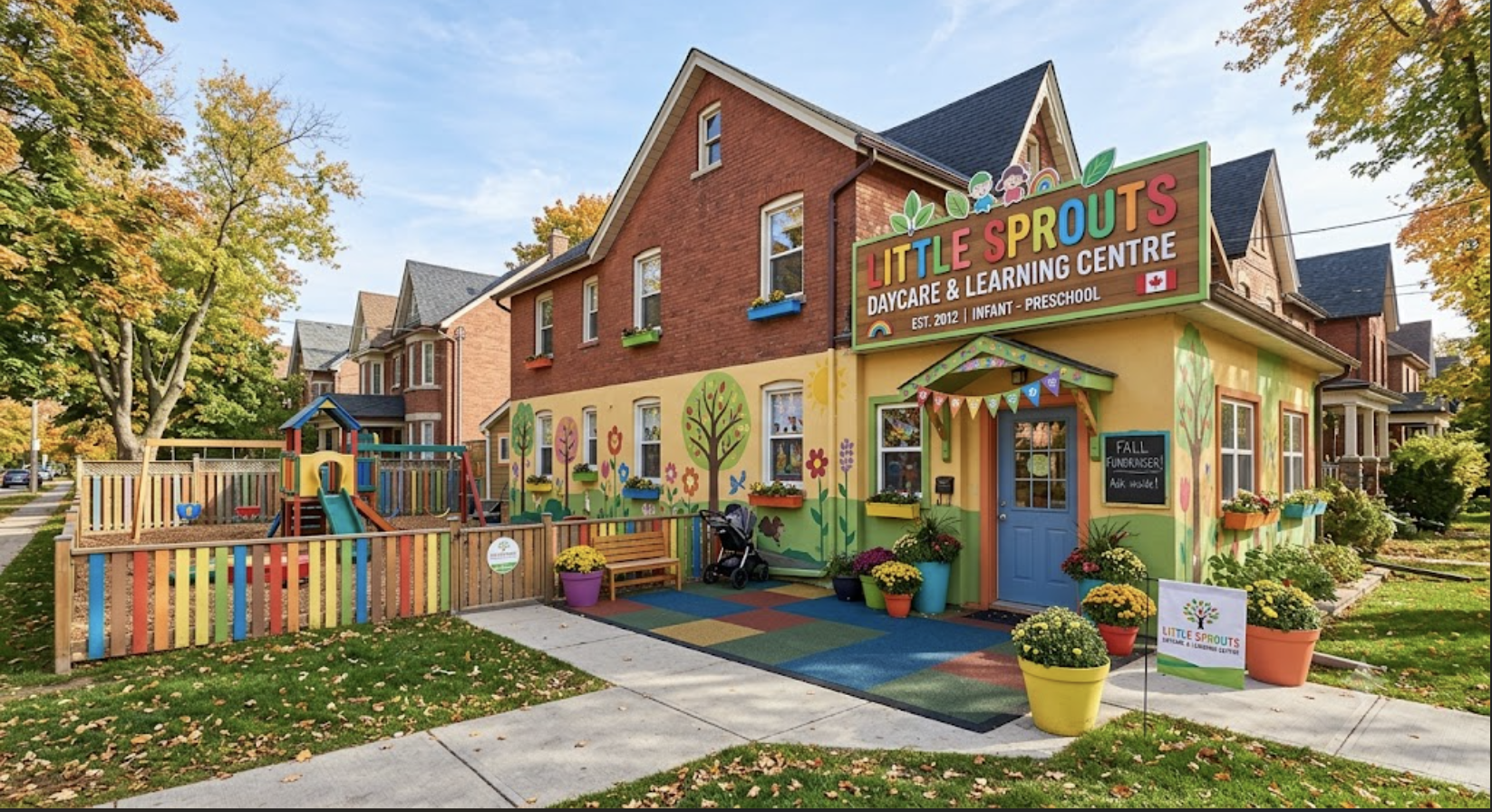
Running a daycare, preschool, before-and-after program, or child-care facility in Guelph is one of the more regulated small-business situations there is. And when it comes to pest control, the requirements are stricter than most commercial contexts — for good reason. Children are more vulnerable to pesticide exposure, more likely to touch and taste surfaces, and less able to advocate for themselves if something goes wrong.
Here's what proper pest control for a children's facility actually looks like, why standard commercial service isn't good enough, and how the right program protects both the kids and your operating license.
Why Daycare Pest Control Is Different
Children's facilities face:
- Higher regulatory scrutiny. Inspections from Public Health, ministry oversight, and municipal licensing all consider pest management.
- Vulnerable occupants. Kids' smaller body weight, developmental sensitivity, and behavioural patterns (touching, mouthing, floor play) mean lower exposure tolerances.
- Higher parental scrutiny. Parents notice, ask questions, and expect real answers.
- Frequent food service. Snack times, prepared meals, allergen management — all create pest attractants and constraint.
- Extensive outdoor time. Playgrounds, gardens, sensory areas — all with their own pest risks.
- Public health implications. A pest issue in a daycare becomes a community health story fast.
Standard commercial pest control doesn't automatically account for these. You need service specifically designed for the environment.
What "Proper" Daycare Pest Control Looks Like
Elements that should be in any daycare pest control program:
1. Integrated Pest Management (IPM) approach.Not just chemical treatment — prevention, monitoring, and non-chemical controls first, with targeted treatments only where needed. IPM is the standard for children's facilities.
2. Kid-safe product selection.Products chosen specifically for use in child-occupied spaces. Baits in tamper-resistant stations placed where kids can't reach. Sprays applied only in inaccessible areas.
3. Scheduled treatments during closed hours.Any treatments happen after kids leave for the day, with sufficient time before they return for surfaces to dry, ventilate, and become safe.
4. Complete written documentation.Product used, application location, date, time, technician, quantity, and re-entry timeframe. Kept on-site for inspections and parent communication.
5. Regular monitoring, not just treatment.Insect monitors, rodent stations, and inspection routines that catch issues before they require intervention.
6. Communication with staff.Detailed handoffs to daycare management. Everyone knows what was treated, where, and any observations.
7. Coordination with facilities management.Structural, sanitation, and operational issues that contribute to pest pressure identified and communicated.
8. Emergency response.Same-day or next-day response for pest incidents during operating hours.
The Regulatory Landscape
In Ontario, daycares operate under the Child Care and Early Years Act. Pest control considerations include:
- General safety obligations for the facility
- Local Public Health inspections with pest management reviewed
- Ministry licensing with expectations around facility maintenance
- Municipal property standards
Documentation of ongoing pest management protects the license and demonstrates due diligence during inspections.
The Common Pest Issues in Daycares
Not all pests are equal from a daycare risk standpoint. Priority focus:
Rodents. High risk from a public-health and license standpoint. Zero tolerance during operating hours.
Cockroaches. Extremely difficult to manage in a food-adjacent, kid-occupied space. Any sighting warrants immediate professional response.
Ants. Common and manageable, but ant trails near food-prep or child-play areas need addressing.
Flies. Fruit flies, drain flies, and house flies all show up. Source-focused treatment is essential.
Wasps. Playground and outdoor area concern. Any nest near children's outdoor areas requires immediate removal.
Stored product pests. In snack storage areas — moths, weevils, beetles.
Bed bugs. Rare in daycare settings but occasionally introduced through backpacks or shared items. Rapid response is essential.
The Daily Prevention Routine for Staff
What daycare staff should do daily to support pest control:
- Immediate cleanup after snacks and meals. No crumbs, no leftover food.
- Proper garbage disposal — bins with tight lids, emptied at end of day.
- Dry goods stored in sealed containers. No cardboard or paper packaging in storage areas.
- Regular vacuuming of floors, especially under tables and cots.
- Sanitizing surfaces between transitions.
- Empty and clean water play stations and sensory bins at end of day.
- Report sightings immediately to management for pest control follow-up.
Frontline staff are the eyes of the pest management program. Their observations catch issues weeks before they'd otherwise be caught.
What to Look For in a Pest Control Provider
Key questions to ask any potential provider:
- Do you have experience with childcare facilities specifically?
- What's your IPM approach?
- What products do you use, and are you comfortable providing SDS sheets?
- What documentation do you provide?
- What's your emergency response window?
- Can you provide references from other daycare clients?
Providers who default to "we spray monthly" without further nuance aren't the right fit for a daycare.
How Summit Handles Daycare Clients
Summit works with daycare clients across Guelph. Our approach:
- Owner-operated service. Tateum handles every visit personally. Continuity matters when staff and kids need to trust the provider.
- After-hours treatment scheduling built into the plan.
- Full documentation maintained for Public Health and licensing.
- IPM-first approach — monitoring, prevention, and non-chemical controls prioritized.
- Emergency response with same-day or next-day availability.
- Direct communication with facility management.
- Practical staff training on prevention practices.
Pricing is competitive with other commercial providers, with the tailoring that daycare environments require.
Frequently Asked Questions
How often does a daycare need pest control service?Most daycares need monthly visits at minimum. Higher-traffic or higher-pressure facilities benefit from bi-weekly service.
Are pest control treatments safe with kids in the space?Modern IPM treatments applied properly are designed to be safe when re-entry timelines are respected. Treatments happen when kids aren't present, and surfaces are dried and ventilated before children return.
Does Public Health require pest control service for daycares?It's not explicitly mandated, but Public Health inspections review pest management as part of facility standards. Documented ongoing pest control demonstrates due diligence.
Can I use my regular commercial pest control provider for a daycare?Sometimes yes, but only if they can genuinely accommodate the requirements of a children's facility. Ask specifically about IPM, product selection, and after-hours treatment.
Protect the Kids, Protect the License
Pest control at a daycare is a mission-critical service, not a checkbox item. The right provider is one who takes the environment as seriously as you do.
Summit Pest Control offers dedicated daycare and children's facility service across Guelph and surrounding areas.
Call (226) 780-6446 or request a quick estimate today.