Most Guelph homeowners think about rodent control when they hear something in the walls. That first scratch-scratch above the ceiling in October is usually when the phone calls to pest control start.
The trouble: by October, the game is already partly lost. The mice you're hearing chose your house weeks earlier. The entry points are already found. The scouting phase is over.
August is when the actual work happens. Here's why.
The Rodent Fall Timeline
The mouse behind your October wall scratch didn't wander in at random. Rodents follow a predictable timeline:
July: Populations peak from summer breeding. Outdoor food is abundant, activity is high, and no one's moving indoors yet.
August: Outdoor food starts to decline. Temperature variability increases. Mice begin scouting winter shelter — evaluating properties, testing entry points, learning food and water maps.
September: Serious scouting continues. Some early-comers begin establishing in outbuildings, garages, and marginal indoor spaces. Population pressure builds.
October: Weather transition triggers mass movement. Established rodents move deeper into structures. New arrivals settle. Homeowners start noticing.
November through winter: Populations established. Growth continues indoors. Damage accumulates.
The intervention that matters is in August. By October, you're managing what August let happen.
What August Prevention Actually Does
Effective August rodent prevention accomplishes three things:
1. Removes attractants during the scouting window.Bird seed, pet food, garbage, compost, water sources — everything that makes your property attractive during the decision-making phase.
2. Seals entry points before rodents choose them.Mice don't just find the first house on the block. They evaluate. If yours is sealed while the neighbour's isn't, the mice choose the neighbour's.
3. Establishes monitoring before establishment.Catches any early activity before populations settle in and grow.
Combined, these dramatically shift the fall dynamic. Instead of managing an established problem, you're preventing establishment entirely.
The August Checklist
For homeowners taking this seriously, here's the practical work for August:
Exterior audit and sealing:
- Walk the full perimeter — every side of the house
- Identify all utility entries (gas, water, electrical, cable, AC)
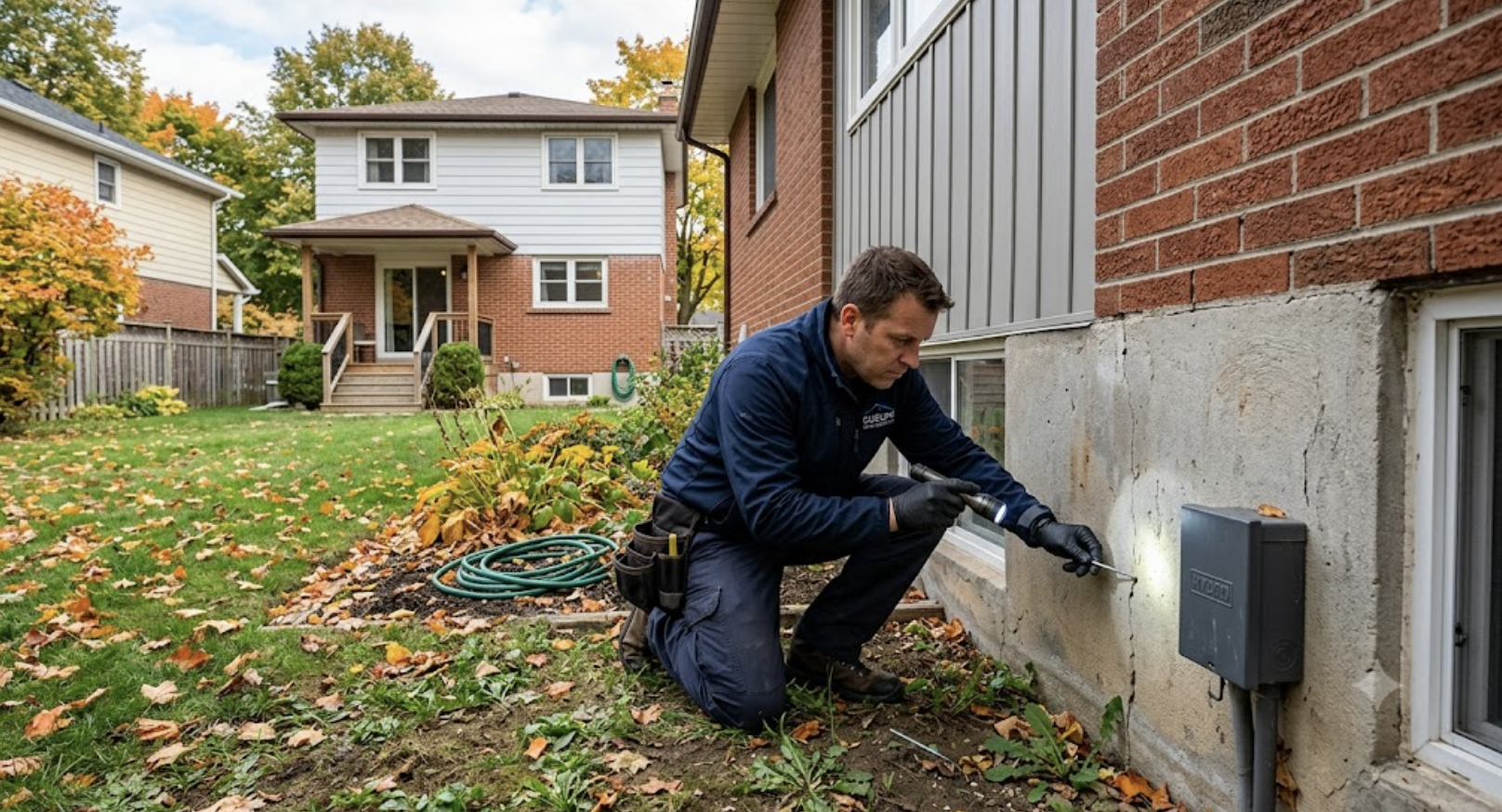
- Check foundation for cracks and gaps
- Inspect the base of siding where it meets the foundation
- Look at soffit and roof intersections
- Check garage door corners and weatherstripping
- Inspect basement and crawl space vents
- Check chimney and roof penetrations
Address every gap you find:
- Small gaps: hardware cloth embedded in sealant
- Utility entries: steel mesh with expanding foam
- Weatherstripping: replace worn sections
- Vent screens: replace with rodent-rated mesh
- Chimney: install a rodent-proof cap
Attractant management:
- Take down bird feeders through fall
- Bring pet food inside
- Secure garbage with tight lids and, if needed, weights
- Move firewood 20+ feet from the house
- Trim vegetation touching siding
- Clean out compost and switch to enclosed rodent-resistant models
- Address any moisture issues around the foundation
Interior preparation:
- Store dry goods in sealed hard containers
- Clean pantry and eliminate any current pantry pest activity
- Clean under and behind appliances
- Reduce clutter in basements, garages, and storage areas
- Set up monitoring devices in strategic spots
Establish a monitoring routine:
- Weekly walk-through of at-risk areas
- Check for any droppings, chew marks, or new activity
- Note anything requiring immediate action
Why DIY Alone Falls Short in August
The August window has extra leverage — but only if the sealing work is actually complete. This is where most DIY prevention efforts underperform:
- Missed entry points. Homeowners typically find 3–5 gaps; a professional finds 10–20 on the same property.
- Wrong materials. Foam alone doesn't stop mice; caulk fails. Proper exclusion needs specific materials for each situation.
- Access limitations. Roof intersections, crawl spaces, and high soffit corners are often beyond DIY safety.
- Incomplete follow-through. Prevention started in August but abandoned by September doesn't work.
The most effective August prevention combines professional inspection and sealing with homeowner attractant management.
The Neighbourhoods That Matter Most
Some Guelph neighbourhoods face higher fall rodent pressure than others:
Older central Guelph (Old University, the Ward, Exhibition Park): mature trees, older foundations, established rodent populations. High-priority for prevention.
Homes near wooded areas or the ravine system: elevated pressure from outdoor populations.
Properties near the University: transient rodent populations from student areas.
Rural-edge Wellington County (Fergus, Elora, rural Guelph): high outdoor rodent populations that transition indoors seasonally.
Newer suburbs: lower overall pressure but not zero. Prevention still worth doing.
Prevention priority scales with pressure. High-pressure properties benefit disproportionately from proactive work.
What a Full August Prevention Program Costs
Ballpark pricing for full August rodent prevention on a typical Guelph home:
- Comprehensive exterior inspection and sealing: $500–$1,200 depending on findings
- Interior audit and monitoring setup: $200–$400
- Follow-up visit in September: $150–$300
- Total for full program: $850–$1,900
Compare to reactive fall rodent treatment plus cleanup plus damage repair, which can easily reach $3,000–$8,000+ for a moderate infestation.
Prevention is dramatically cheaper. The August timing is what makes it possible.
How Summit's August Program Works
For Guelph homeowners taking fall prevention seriously, Summit's August approach:
- Full inspection — inside, outside, attic, basement, garage
- Documented findings — you see exactly what's being addressed
- Sealing work — the right materials for each location
- Attractant guidance — practical recommendations for your property
- Monitoring setup — for early detection of any activity
- Follow-up in September — reassess and adjust
- Prevention plan — if ongoing service makes sense for the property
Most jobs are completed in 1–2 visits over August, with a follow-up in September.
Frequently Asked Questions
How do I know if my property really needs fall prevention?Signs it's worth it: previous rodent history, older home, older neighbourhood, wooded surroundings, or high-pressure area. If any apply, prevention pays off.
What if I miss August?September prevention is still valuable — just less impactful than August. October prevention is closer to damage control than prevention.
Do I still need pest control if I'm on a plan?For homes on Summit's Standard or Elite plans, the August prevention work is generally already included. That's the point of the plans — proactive protection through key windows.
Can I do the exclusion work myself with your inspection findings?Some homeowners do. We provide the inspection map; you handle the sealing. Works well for handy homeowners. We'll be honest about which gaps you can realistically address yourself.
Don't Wait for the First Scratch
The homeowners who don't have fall rodent problems aren't lucky. They did the work in August. Nothing else changes the outcome.
Summit Pest Control offers August rodent prevention programs across Guelph and surrounding areas.
Call (226) 780-6446 or request a quick estimate today.