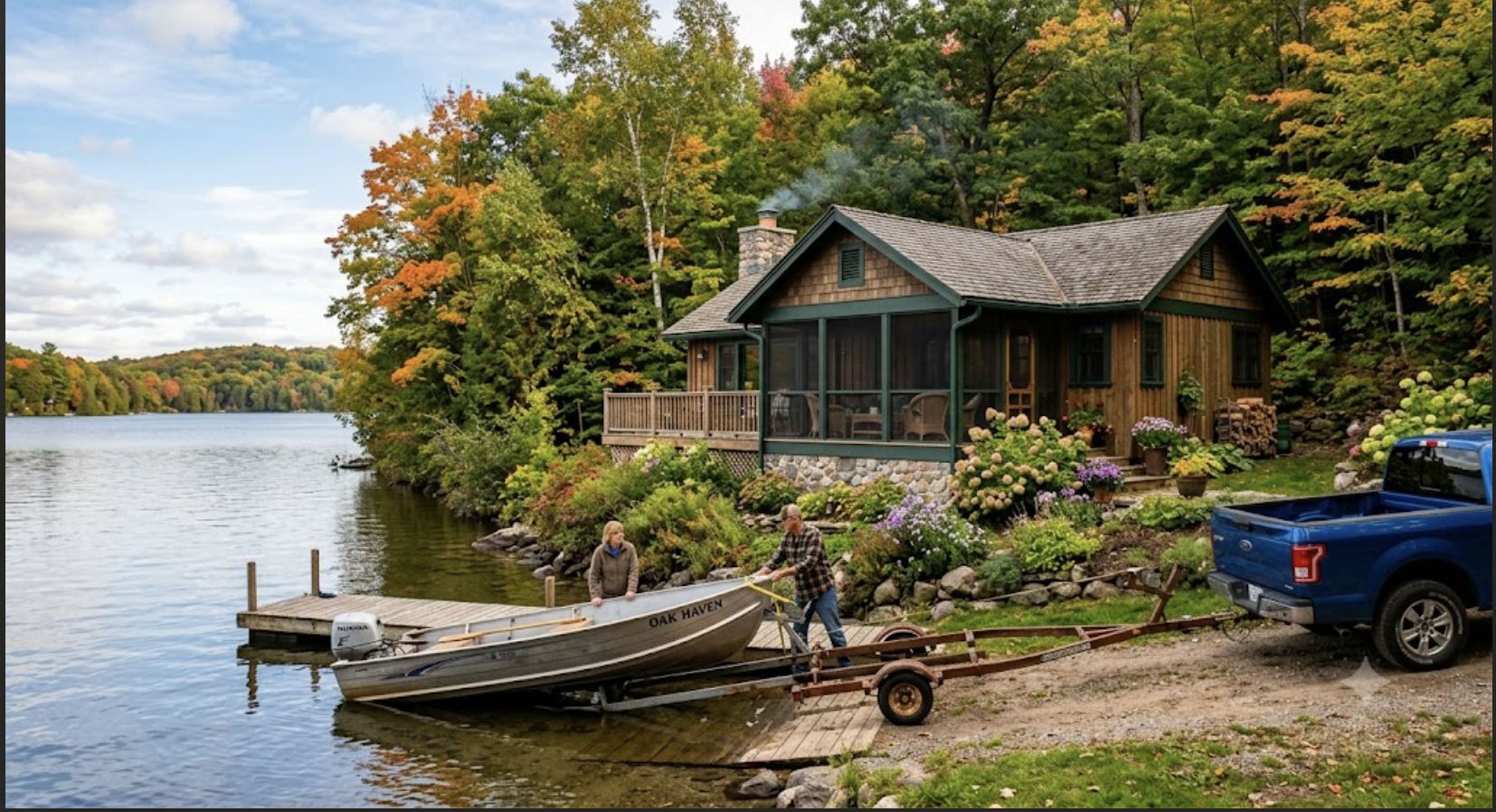
Every October, Ontario cottage owners lock the door on their second home and drive home hoping for the best. And every May, some percentage of them come back to find that the best didn't happen — mice took over the pantry, wasps built in the eaves, cluster flies covered the windows, or something worse.
The difference between a smooth spring opening and a nightmare is almost always the prep done the previous fall. Here's the end-of-season cottage pest checklist that keeps most of the problems from happening.
Note: cottages come in every shape and location — rustic camps to year-round-quality vacation homes. Adapt this checklist to your specific property.
Why Cottage Closing Matters More Than Home Prep
A closed cottage has:
- Six months of vacancy
- Rural or semi-rural location with high wildlife pressure
- Water access that supports many species
- Older, sometimes leaky construction
- Nobody checking on it through the winter (usually)
- Established outdoor populations that see the closed building as a winter shelter
That's an environment where small oversights turn into big problems. The checklist below front-loads the work into the closing weekend.
4–6 Weeks Before Closing
Some prep is worth starting earlier:
Schedule any pending pest work.If you've had ant, wasp, or rodent activity through the season, address it now. Closing a cottage on top of active problems is asking for a bigger issue in spring.
Book a pre-closing inspection if desired.A professional pre-closing walkthrough identifies issues you might not have noticed and lets you address them before packing up.
Order any structural materials.Screen replacements, mesh, sealants — whatever the closing checklist reveals needs to be replaced.
The Closing Weekend Checklist
Exterior work:
- Walk the full perimeter. Check foundation, siding, roof line, and utility entries for gaps and damage.
- Remove wasp nests on the property, even old inactive ones (they can attract new colonies next year).
- Clean gutters — clogged gutters hold water and create ice damming issues.
- Trim vegetation touching the building.
- Move firewood at least 20 feet from the cottage, ideally covered.
- Store outdoor furniture — inside if possible, tightly covered if not.
- Empty birdbaths, plant saucers, kid pools — anything holding water.
- Take down bird feeders and hummingbird feeders.
- Empty and clean garbage cans, store inside or in sealed enclosures.
- Address any obvious rodent burrows near the foundation.
Interior — kitchen and food storage:
- Empty all food from the cottage. Take it home, donate it, or discard. Nothing stays.
- Take out all garbage.
- Clean the fridge and freezer thoroughly. Prop doors open with a rag if possible to prevent mold.
- Deep clean counters, cabinets, and pantry areas.
- Check for pantry pest signs in any storage bins you're leaving behind.
- Ensure all remaining containers are truly sealed — glass with tight lids preferred.
- Wipe out any drawers and cabinets with disinfectant.
Interior — general cleaning:
- Strip and wash all bedding, then store in sealed plastic bins. Prevents mice from nesting in mattresses and pillows.
- Vacuum all surfaces — floors, upholstery, corners.
- Take out all garbage including bathroom and bedroom bins.
- Wipe down all surfaces with disinfectant.
- Store any fabric items (cushions, throws, curtains) in sealed bins where possible.
- Empty toilets and add antifreeze to bowls if the cottage isn't heated.
- Turn off water main and drain plumbing if the cottage is fully closed.
- Remove all sponges, dish rags, and paper towels — favourite mouse nesting material.
Rodent-specific measures:
- Set up quality rodent stations — locked professional bait stations, not just snap traps. Mice will find their way in almost regardless of prep; monitored stations catch them.
- Focus stations on kitchen, basement, attic, and garage — the highest-traffic areas.
- Place traps or stations near likely entry points — utility entries, corners, and along walls.
Insect prevention:
- Apply a late-summer perimeter treatment if cluster flies, cockroaches, ants, or spiders have been an issue.
- Address any current active issues before closing (never close on top of an active pest problem).
- Seal any obvious insect entry points during the closing weekend.
Structural preparation:
- Replace damaged weatherstripping, especially on doors.
- Repair or replace damaged screens.
- Seal small gaps you can access with appropriate materials.
- Cover chimney with a proper cap if not already installed.
- Ensure attic vents have proper rodent-rated screening.
Documentation:
- Take photos of everything's condition at close. Comparison photos in spring help identify issues.
- Leave a note for anyone entering through the winter (contractor, neighbour, family) about pest station locations and any active concerns.
- Update contact info with anyone checking on the property.
Winter Check-Ins
If possible, have someone check on the cottage during winter:
- Monthly or bi-monthly visits significantly reduce spring surprises.
- Have them check rodent stations, look for obvious issues, and note anything wrong.
- Photo documentation of station status and any changes.
For cottages in accessible locations, a monthly walk-through can catch a rodent problem at 5 mice instead of 50.
The Spring Opening Prep
Some closing decisions affect spring opening:
- Where you put rodent stations determines what you're checking first
- How you store bedding determines whether you can use it immediately
- What condition you left the property in determines how much work opening is
A well-closed cottage opens smoothly in May. A poorly-closed one requires a weekend of remediation before you can enjoy it.
How Summit Handles Cottage Closings
For cottages in accessible areas of Wellington County, Waterloo Region, and edge-of-cottage-country, Summit can:
- Pre-closing inspection to identify issues
- Any current pest issues addressed before close
- Rodent station placement for winter monitoring
- Structural exclusion as needed
- Winter check-in visits where feasible
- Spring opening inspection to identify any issues before you arrive
For cottages further afield, we can usually refer to trusted local operators.
Frequently Asked Questions
When should I close the cottage?Depends on the property. Water-connected cottages usually close when temperatures reliably drop below freezing overnight. Water-off cottages have more flexibility.
Do I need pest control if I'm only closing for 6 months?Yes — six months of vacancy in a rural setting is when the biggest pest issues develop. Prevention costs are usually much lower than spring cleanup.
Should I fumigate before leaving?No. DIY fumigation is largely ineffective and can damage stored items. Focus on cleanup, sealing, and monitored stations.
Can I leave heat on low all winter?Depends on the cottage and cost tolerance. Low heat prevents freeze damage and reduces some pest pressure (particularly moisture-attracted species). Not required, but worth considering.
Close It Right, Open It Right
A weekend of proper closing prep saves the weekend of spring remediation. And it means the cottage stays a peaceful place to look forward to instead of a source of anxiety through the winter.
Summit Pest Control offers cottage closing and pre-season inspection services across accessible parts of Wellington County and Waterloo Region.
Call (226) 780-6446 or request a quick estimate today.